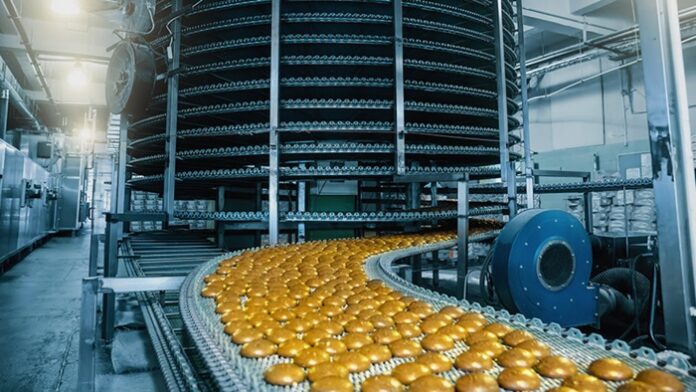
Most food processing organisations run advanced machines to produce the best output. However, they always need to maintain hygiene and safety standards to protect the quality. So, they should be highly careful when buying a conveyor belt. It needs to be a food-grade system to secure your product’s safety and quality.
A low-priced conveyor machinery may enable you to maintain productivity. But, maintenance costs and improperly processed products will cause issues in the long run. Check a brief guide to finding the best food industry conveyor belts for your business.
Choose materials based on your food type
Surface properties and materials are the most important factors in selecting your conveyor belt.
- TPU-coated belts with a flexible design at low temperatures are best for your frozen foods.
- Food-grade PVC (Polyvinyl chloride) belts are designed for processed food and poultry businesses. These affordable systems are resistant to hot water and chemicals.
- A belt with strong release properties is perfect for businesses dealing with sticky products (like dough).
- Silicone rubber belts with high temperature resistance are safe for transporting chocolates and pastry.
Is the conveyor system hygienic?
Not every conveyor is designed to manage your edible products. Thus, you must ensure that the chosen sanitary conveyor is safe for food management. The most significant sanitary features of the material are-
- Capable of resisting bacterial growth
- Washdown-resistant conveyor materials
- Minimal exposure of food to washers and fasteners
- Radiused corners
- Sloped surfaces that ensure smooth water drainage
When transferring fresh meats, there is a risk of bacterial contamination. So, the conveyors’ food-contact surfaces must be made from stainless steel.
Focus on temperature-related issues
Temperature is the main factor that often damages conveyor belts of food businesses. The ability to withstand temperatures is not the same for every belt material. So, check temperature resistance before selecting the conveyor system.
- Polytetrafluoroethylene is safe for low-temperature food processing (-70°C). You must not use PVC belts under this temperature.
- Rubber and PU conveyor belts can be used under a normal temperature range (-10°C to 80°C). When it is above 65°C, you must not use PVC belts.
- For high-temperature steam, PTFE is the safest choice.
Operating environment
The worksite environment in which the conveyor belt is used may affect its longevity and performance.
Extreme temperature will damage the material within a short period. Those who need to use the belts in a freezer should choose a material that is flexible under low temperatures.
Sometimes, higher humidity in the food processing sector causes moisture-related problems. Thus, ensure your belt material will resist moisture.
Some manufacturing processes involve using corrosive substances. So, invest in a belt that withstands the condition without deterioration.
Check the belt’s dimensions and other details-
You have to assess your conveyor belt’s technical details before making a purchase. Thicker belts with high durability manage heavy loads. But, minimal flexibility is the major issue with the thicker conveyor belts.
Moreover, their width must match the dimensions of the products transported to prevent spillage. Besides, assess the belt’s tensile strength, especially for heavy-duty industrial applications. The system needs to provide a strong grip to prevent the spillage risk.
Efficiency and speed
Your conveyor system’s speed dictates the belt type to be chosen. In assembly lines, you may rely on slow-moving belts. On the contrary, in case of packaging operations, you should have high-speed belts.
For example, businesses with high production demands want to move their edible products quickly. They will benefit from investing in high-speed modular belts. But, for labelling and packaging processes, precision is the most important factor. Thus, a timing belt is essential to facilitate synchronised movement.
Is the conveyor belt customisable?
Customised conveyor belts will meet your food business’s operational needs. For instance, you may customise the belt with cleats (raised sections) to secure materials on inclines. Similarly, to transport loose items, choose belts with sidewalls.
How to maintain your conveyor belt?
A resilient food-grade conveyor for your business will ensure long-term performance. Proper upkeep will extend the belt’s average lifespan and improve operation. You have to check the belt in high-friction areas. You have to eliminate material accumulation from the belt to keep it clean.
Conclusion
Food-grade conveyor belts should ensure your production line’s efficiency. When buying these items, check material durability, load capacity, and hygiene. The best conveyor belts help you maintain smooth operations of your food business. The comprehensive guide will allow you to make an informed choice for your food manufacturing company.

