Introduction
Connector molds are essential in modern electronics. Every device we rely on—phones, appliances, vehicles, and industrial systems—depends on accurate connectors that fit and perform well. The quality of those connectors comes from the mold behind them. A precise mold ensures stable dimensions, clean edges, and long production life.
Many manufacturers choose GBM Connector Mold Manufacturing Services because the company focuses on accuracy, consistent steel quality, and strong process control. Their support helps both small and large production teams create connectors that meet strict industry standards. Understanding the overall process, expected cost, and delivery schedules makes planning smoother and reduces production risks.
Connector Mold Manufacturing Process
The manufacturing process starts with the mold design. Engineers study the connector shape, pin layout, tolerance, and chosen plastic material. Even minor design issues can lead to poor fitting or unstable product quality, so the early stage is careful and well-structured.
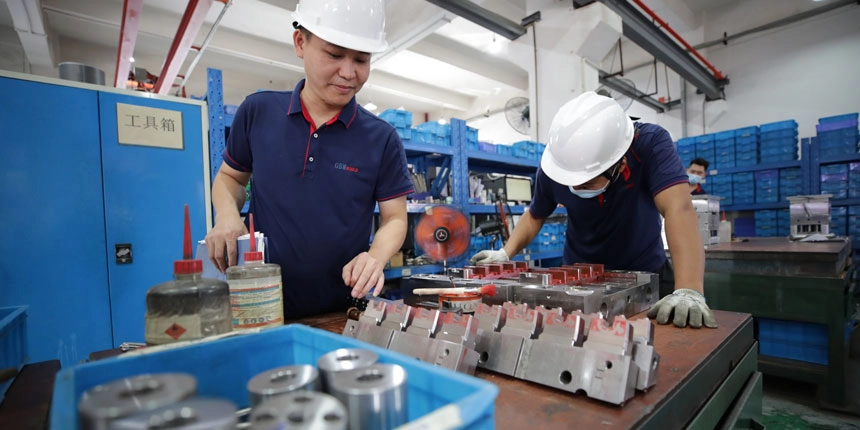
After the design is confirmed, steel selection and machining begin. High-quality steel ensures mold stability and fewer issues during long-term injection molding. CNC machining, EDM, polishing, and fine cutting help form the detailed connector features. At this stage, accuracy is the top priority because connector molds often include very small and sharp edges.
When machining is complete, the mold is assembled and tested. Engineers check alignment, cooling layouts, ejector systems, and parting surfaces. Trial molding then confirms part accuracy and surface quality. A similar approach is used when clients work with Injection Mold Making – GBM Mold, which supports consistent results in real production environments.
Cost and Lead Time
Several factors influence connector mold cost. These include mold size, complexity, the number of cavities, steel grade, and required tolerances. A simple connector mold may be affordable, while multi-cavity molds with high precision require more machining hours and stricter quality control.
Lead time usually ranges from three to six weeks. Basic molds can be completed faster, but complex designs need extra testing and polishing to ensure quality. Throughout the process, teams focus on clear communication and stable scheduling to avoid delays.
Once mass production begins, many clients need finishing improvements or custom surface treatments. This is where Injection Molding Post-Processing becomes useful. Post-processing can improve the connector’s appearance, durability, and assembly strength, making the final product more reliable.
Conclusion
Connector mold manufacturing demands precision, planning, and strong technical control. Each step—from design to machining and testing—directly affects product quality. Working with an experienced team ensures accurate molding, stable production, and dependable long-term performance.
GBM provides complete support for connector mold development and post-processing work. Their systematic approach, practical engineering experience, and clear project handling make them a reliable partner for manufacturers looking for high-quality connector molds.
