Japanese Knotweed has earned a reputation as one of the most aggressive and destructive plants in the UK. Homeowners across the Isle of Wight are increasingly aware of its impact, both on property structures and financial value. Understanding how to identify, manage, and remove this invasive species is crucial for maintaining the integrity and marketability of any property. This guide delves into the essential aspects of Isle of Wight Japanese knotweed removal, offering practical insights for property owners.
Understanding the Threat of Japanese Knotweed
Originally introduced to the UK from Japan in the 19th century as an ornamental garden plant, Japanese Knotweed has spread uncontrollably due to its resilience and rapid growth. On the Isle of Wight, the mild maritime climate and fertile soils create ideal conditions for this invasive plant. Its underground rhizome system can extend up to three meters deep and seven meters horizontally, meaning even a small visible patch can signify a much larger infestation below the surface.
The threat posed by Japanese Knotweed is twofold: physical damage to property and financial consequences. Its roots and rhizomes can exploit weaknesses in foundations, drainage systems, retaining walls, and pathways. Consequently, properties affected by knotweed often face devaluation by 5–15% and can become difficult or impossible to mortgage without a verified removal plan. Ignoring the issue is not a viable option, as untreated knotweed can quickly spread to neighboring properties, creating legal liabilities and long-term complications.
Identifying Japanese Knotweed on Isle of Wight Properties
Timely identification is key to successful Isle of Wight Japanese knotweed removal. The plant changes its appearance throughout the year, which can sometimes make recognition challenging.
- Spring (March–May): Knotweed emerges with red or purple asparagus-like shoots that can grow up to 10cm per day. Young shoots unfurl into leaves, signaling the start of rapid seasonal growth.
- Summer (June–August): Dense bamboo-like canes reach up to three meters in height. Leaves are large, heart-shaped, and the stems often display purple or red speckles.
- Autumn (September–November): Cream-white flowers appear, leaves begin to yellow and fall, and the canes start to brown.
- Winter (December–February): Above-ground canes die back but remain standing, while the underground rhizomes remain alive and capable of regenerating.
Many homeowners confuse knotweed with other plants such as bamboo, bindweed, or Russian vine. Because accurate identification is essential, professional surveys are recommended before taking any action.
The Importance of Professional Surveys
A professional survey is the first step in a successful Isle of Wight Japanese knotweed removal strategy. PCA-accredited specialists conduct detailed site assessments to map the extent of the infestation, determine structural risks, and recommend suitable treatment methods. Surveys also provide documentation that satisfies mortgage lenders, which is particularly important for property transactions.
By engaging a certified surveyor, homeowners gain clarity about the scale of the problem and the best course of action, whether it involves herbicide treatment, excavation, or a combined approach. A survey ensures the removal process is safe, compliant with local regulations, and tailored to the unique conditions of each property.
Methods of Japanese Knotweed Removal
There are several approaches to managing Japanese Knotweed on the Isle of Wight, each with its advantages and considerations. The choice of method depends on the severity of the infestation, proximity to structures, and urgency of removal.
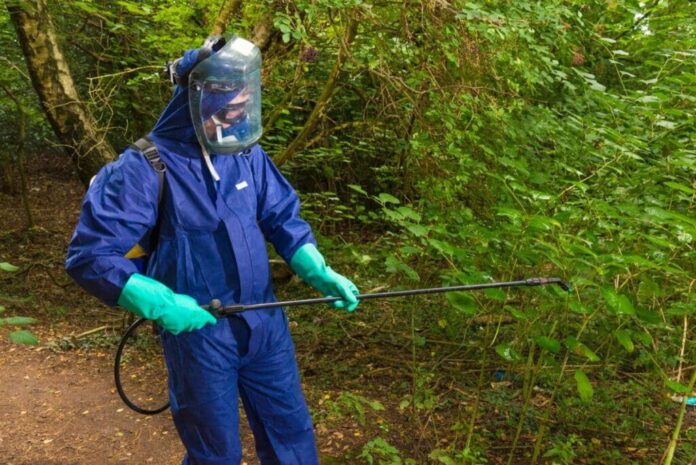
- Herbicide Treatment: This method involves the careful application of specialist herbicides over multiple growing seasons to weaken and eventually kill the plant. It is a non-invasive solution that suits large areas or sites near valuable structures.
- Excavation: For immediate removal, excavation involves digging out the knotweed along with its extensive rhizome network. While this method is effective in eliminating the plant, it can be costly and requires proper disposal of contaminated soil as controlled waste.
- Combined Approaches: Some infestations benefit from a mix of excavation and herbicide treatment. This strategy maximizes the likelihood of complete eradication while minimizing disruption to the surrounding landscape.
All professional treatments on the Isle of Wight are designed to comply with environmental regulations, including the proper disposal of knotweed material and consideration of neighboring properties.
Benefits of Using Certified Specialists
Hiring a PCA-accredited professional for Isle of Wight Japanese knotweed removal offers multiple advantages. First, it ensures that the treatment plan is thorough, safe, and tailored to your property’s unique conditions. Second, many certified specialists provide insurance-backed guarantees for up to ten years. This guarantee not only protects your investment but also restores the property’s mortgageability, providing peace of mind for current and future owners.
Specialist services also include guidance on legal obligations. Japanese Knotweed is classified under the Wildlife and Countryside Act, and property owners must manage its spread responsibly. Failure to do so can result in legal disputes, fines, or claims from neighboring property owners.
Preparing Your Property for Removal
Before removal work begins, homeowners should prepare the property to ensure the process is smooth and effective. This includes clearing access routes for machinery, informing neighbors if the knotweed is near shared boundaries, and understanding the timeline and expectations provided by the specialist. Regular monitoring and follow-up treatments may be required to confirm that the knotweed does not re-emerge.
Homeowners who proactively manage Japanese Knotweed infestations often save money in the long term. Early detection and treatment reduce the risk of extensive structural damage and prevent the need for more costly interventions later.
Selling or Buying Property with Knotweed
Japanese Knotweed can complicate property transactions on the Isle of Wight. Sellers must disclose its presence on the TA6 property information form, while buyers must ensure that a management plan is in place. Properties with a verified removal plan and an insurance-backed guarantee remain attractive to lenders and buyers. Engaging professionals for Isle of Wight Japanese knotweed removal reassures all parties that the issue is being addressed responsibly.
Conclusion
Japanese Knotweed is a serious concern for homeowners on the Isle of Wight, capable of causing structural damage, property devaluation, and legal challenges. Fortunately, with professional surveys, expert treatment, and insurance-backed guarantees, the plant can be effectively managed and removed. Understanding the signs, choosing the right removal method, and working with certified specialists are the key steps to safeguarding your property’s value and ensuring compliance with legal requirements.
Whether you are buying, selling, or simply maintaining your home, early intervention is crucial. By acting promptly and working with experienced professionals, Isle of Wight Japanese knotweed removal becomes a manageable process, allowing homeowners to protect their investments and enjoy peace of mind.

