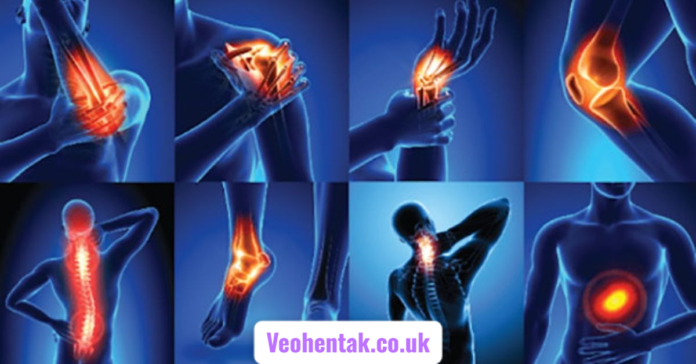
Inomyalgia is a chronic muscular pain condition causing deep aching, stiffness, and sensitivity in muscles and soft tissues. It often stems from stress, injury, repetitive strain, or underlying health issues. Treatment includes physical therapy, stress management, gentle exercise, and medical guidance. Early diagnosis and a personalized plan can improve quality of life and reduce pain.
Inomyalgia represents a complex chronic muscle‑pain syndrome that affects daily functioning, comfort, and mental well‑being. This in‑depth article explores its key symptoms, triggers, diagnostic steps, and evidence‑based treatments, along with self‑care strategies and lifestyle modifications. With expert‑informed insights, helpful tips, and frequently asked questions, readers will gain a clear understanding of how inomyalgia impacts the body and what practical steps can lead to meaningful relief and improved life quality.
Understanding the Basics of Chronic Muscle Pain
Chronic muscle pain affects millions worldwide, yet many struggle to find clear answers and relief approaches that truly work. This condition isn’t just occasional soreness after exercise — it’s persistent, widespread discomfort that can interfere with sleep, work, and daily activities. People often describe it as a deep, aching sensation, stiffness, and hypersensitivity in muscles and connective tissues. Understanding the basics helps you recognize patterns and communicate symptoms clearly with healthcare professionals. Although many terms exist for muscle pain syndromes, not all reflect the same underlying mechanisms, so accurate understanding forms the foundation for effective management and recovery strategies.
What Is Inomyalgia and How It Differs From Other Conditions
Inomyalgia refers to a specific chronic muscle pain pattern that overlaps with other pain syndromes but has distinct features in intensity, location, and triggers. Unlike ordinary muscle soreness after a workout, the pain is ongoing, not necessarily linked to recent physical exertion, and can flare unpredictably. Many people confuse it with fibromyalgia or myofascial pain syndrome, yet clinical evaluation often notes differences in trigger points, response to treatment, and associated symptoms. Accurate description of your pain — its quality, triggers, duration, and any related signs — helps clinicians distinguish it from other disorders and tailor a treatment plan that fits your unique needs.
Common Symptoms and How They Present Daily
People with chronic muscle pain often experience a constellation of symptoms that go beyond simple discomfort. Common features include deep aching in multiple muscle groups, stiffness, tenderness to light touch, and flare‑ups with stress or physical activity. Some describe sensations like burning, tight knots, or shooting pain that changes location from day to day. Sleep disturbances, fatigue, and sensitivity to temperature can accompany these physical symptoms. Recognizing the full range of symptoms allows individuals and clinicians to better track patterns and evaluate which therapies are most effective in reducing overall pain burden and improving function.
Recognizing Triggers: What Makes Pain Worse
Identifying triggers is a crucial step in managing chronic muscle pain. Stress — both emotional and physical — often amplifies discomfort, creating a vicious cycle of pain and anxiety. Poor sleep quality further lowers pain thresholds and impairs recovery. Repetitive physical tasks, poor posture, prolonged inactivity, or sudden increases in exercise intensity can provoke flare‑ups. Even changes in weather, diet, or caffeine intake may influence how your muscles feel. Developing a detailed symptom journal that tracks activities, food, mood, and pain levels can help reveal patterns and guide personalized avoidance or modification strategies tailored to your lifestyle.
How Doctors Diagnose Muscle Pain Syndromes
There isn’t a single laboratory test that confirms chronic muscle pain conditions; instead, diagnosis relies on clinical evaluation, history taking, and careful physical examination. A doctor will ask about pain duration, location, intensity, factors that worsen or relieve symptoms, and any associated complaints like fatigue or sleep issues. They may check for tender points, range of motion limitations, and neurological signs. Blood tests and imaging aren’t always necessary but can rule out other causes such as inflammatory or autoimmune disorders. A correct diagnosis bridges the gap between vague symptoms and targeted treatment plans that address both pain and underlying contributors.
Also read this: Lyposingrass Herbal Benefits: Ultimate Guide to Health and Wellness
The Role of Lifestyle in Pain Management
Lifestyle plays a powerful role in influencing chronic pain. Regular, gentle physical activity like walking, stretching, or swimming helps maintain muscle flexibility and circulation without overloading tissues. Sleep hygiene — including consistent bedtimes, a comfortable sleep environment, and avoidance of screens before bed — supports recovery and reduces sensitivity. Stress management tools such as mindfulness, deep breathing, and time in nature can calm nervous system responses that intensify pain. Though lifestyle changes take time and consistency, integrating them gradually often yields meaningful improvements in overall well‑being and lessens the frequency and severity of pain flares.
Physical Therapy: What to Expect and How It Helps
Physical therapy offers structured, individualized movement plans designed to reduce muscle tension, improve posture, and enhance strength without triggering flare‑ups. A trained therapist assesses movement patterns and pain responses, then guides exercises that gently mobilize tight areas, correct imbalances, and promote better function. Modalities such as massage, heat, and ultrasound may complement active exercises to further ease discomfort. Patience and consistency are key; progress may be gradual, but learning proper form and movement habits can provide lasting benefits. Collaborating with a therapist ensures activities are safe, effective, and tailored to your specific pain patterns.
Medications and Medical Treatments That Can Help
Medical treatment often includes medications that reduce pain and improve sleep quality. Over‑the‑counter options like acetaminophen or certain anti‑inflammatory drugs can provide temporary relief, but long‑term use requires professional guidance. Prescription medications — including muscle relaxants or low‑dose nerve modulators — may be recommended for persistent symptoms under careful medical supervision. Some people benefit from topical pain relievers, patches, or injections for localized relief. Your healthcare provider balances benefits versus potential side effects, adjusting strategies as needed. Combining medication with lifestyle and therapy approaches often yields the best outcomes for long‑term management.
Alternative and Complementary Approaches
Many individuals explore alternative therapies to complement conventional treatment. Practices such as acupuncture, yoga, tai chi, and gentle chiropractic adjustments may help relax muscles, improve flexibility, and reduce stress. Mind‑body therapies like guided imagery, meditation, and cognitive behavioral techniques support emotional well‑being and pain coping skills. Herbal supplements and anti‑inflammatory diets are popular, but it’s important to discuss these with a healthcare provider to ensure safety and avoid interactions. While evidence varies for each approach, integrating complementary methods offers a holistic path that empowers individuals to participate actively in their care.
Nutrition and Its Impact on Muscle Pain
Diet influences inflammation, energy levels, and tissue repair, making nutrition an important piece of the pain puzzle. Foods rich in omega‑3 fatty acids, antioxidants, and lean proteins support muscle health and reduce inflammatory signals in the body. Hydration is vital for muscle function, so drinking adequate water throughout the day prevents cramping and stiffness. Minimizing processed foods, excessive sugar, and high sodium may reduce systemic stress on tissues. Some people find relief with specific eating patterns, but there isn’t a one‑size‑fits‑all diet. A balanced, nutrient‑dense eating approach tailored to individual needs can enhance overall resilience and comfort.
Sleep Optimization for Pain Relief
Quality sleep plays a central role in restoring muscles and regulating pain perception. Poor sleep heightens sensitivity and undermines recovery, while consistent restful sleep promotes healing and mental clarity. Establish a bedtime routine that quiets the mind and signals your body that it’s time to rest. Comfortable bedding, a dark, cool environment, and limiting caffeine in the afternoon support better sleep cycles. If sleep problems persist, discuss them with a provider, as treating underlying insomnia or sleep apnea can dramatically influence pain levels. Prioritizing better sleep lays a foundation for all other pain‑management strategies.
Psychological and Emotional Dimensions of Chronic Pain
Chronic pain affects not just the body but emotions and cognition. Ongoing discomfort can lead to frustration, anxiety, and reduced social engagement. Recognizing the mind‑body connection helps people approach pain with compassion rather than self‑blame. Psychological support — through counseling, support groups, or cognitive behavioral techniques — teaches coping strategies for fear, stress, and mood fluctuations related to pain. Addressing emotional well‑being enhances resilience, reduces tension that worsens muscle discomfort, and fosters a sense of agency. Integrating mental health care into overall management can be transformative.
Tracking Progress: Tools That Help You Monitor Change
Monitoring symptoms over time empowers you to make informed care decisions and adjust strategies. Simple tools like pain diaries, mobile apps, or symptom trackers help record intensity, triggers, activities, sleep quality, and mood. Reviewing trends reveals what works and what doesn’t, guiding conversations with healthcare providers and refining plans. Tracking fosters awareness and accountability, turning abstract feelings into measurable data. Celebrate progress — even small improvements — as they build momentum. This approach shifts the focus from pain avoidance to intentional, informed steps toward better health.
When to Seek Specialist Care
Some cases benefit from referral to pain specialists, rheumatologists, neurologists, or multidisciplinary pain clinics. Signs that specialist evaluation may help include worsening symptoms, new neurological signs, unexplained swelling, or lack of improvement despite consistent management efforts. Specialists bring advanced diagnostic tools and targeted interventions that can clarify complex cases. Don’t hesitate to ask your primary provider for referral when needed. Early specialist involvement can provide fresh perspectives and accelerate progress while ensuring all aspects of your condition are addressed.
Long‑Term Strategies for Sustainable Relief
Long‑term management requires a balanced, sustainable approach built on realistic goals, consistent habits, and ongoing learning. No single quick fix exists, yet combining physical care, lifestyle adjustments, emotional support, and professional guidance offers durable relief. Regular reassessment keeps your plan aligned with evolving needs. Stay informed about new research, therapies, and community resources. Surround yourself with supportive people and celebrate small victories. Living well with chronic muscle pain means embracing a compassionate, proactive journey toward comfort, strength, and a fulfilling life.
Conclusion
Understanding chronic muscle pain goes beyond identifying symptoms — it means recognizing triggers, building supportive daily habits, and working collaboratively with professionals. A comprehensive plan tailored to your life helps reduce discomfort and empowers you to live more fully. By integrating movement, nutrition, stress management, sleep optimization, and emotional care, you can navigate challenges with confidence and resilience. Chronic pain isn’t simply endured but actively managed with informed, adaptive strategies that foster long‑term comfort and well‑being.
FAQs
- What causes chronic muscle pain?
It can stem from stress, injury, repetitive strain, sleep issues, or underlying health conditions. - Is inomyalgia the same as fibromyalgia?
They share symptoms but differ in diagnostic criteria and treatment approaches. - Can exercise help?
Yes, gentle and guided movement often improves flexibility and reduces pain. - Should I track my symptoms?
Yes, tracking helps identify triggers and effective treatments. - Does diet influence pain?
Balanced nutrition may support inflammation reduction and muscle health. - Is physical therapy beneficial?
Yes, it provides tailored exercises and pain‑reducing techniques. - When should I see a specialist?
If symptoms worsen or don’t improve with standard care, seek specialist evaluation.
Fore more info: Veohentak.co.uk

