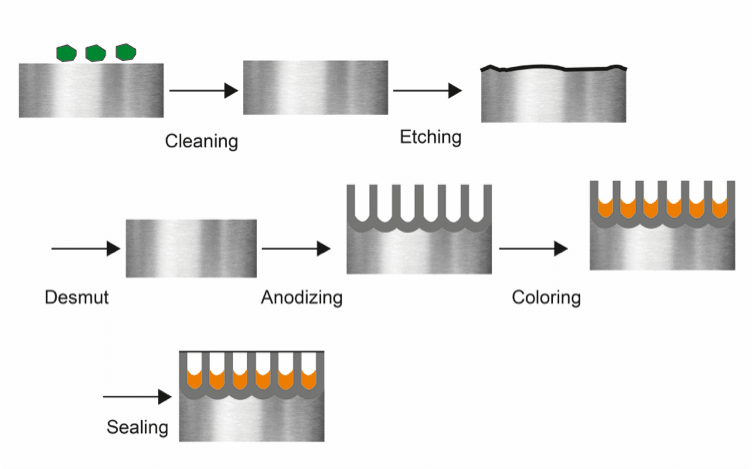
Aluminum is one of the most versatile materials used in modern manufacturing. It is light, strong, and naturally resistant to rust. Still, in many industries, aluminum needs extra protection. This is where aluminum anodizing becomes important. It helps the metal last longer and look better, while keeping its weight low. Many people know aluminum from household items or electronic devices. But only a few understand how anodizing changes the metal at a deeper level. This guide breaks down the process in a simple, clear, and practical way.
If you work in engineering, product development, or custom part design, understanding what anodizing does can help you choose the right finish. This includes consumer electronics, car parts, aerospace components, home accessories, and many other products. The aim here is to explain the value of anodizing without heavy technical jargon, so you can make better decisions for your next project.
What is Aluminum Anodizing?
Before we look at the benefits, it helps to understand the process itself. When aluminum meets oxygen, it forms a thin natural oxide layer. This layer gives the metal some protection. But the layer is very thin and wears off easily. Anodizing makes this oxide layer much thicker and stronger. It also makes the surface harder, smoother, and more resistant to weather and corrosion.
The anodizing process uses electricity and a special acid bath. The aluminum part is dipped into the bath and connected to a power source. When the electricity flows, the surface reacts and forms a strong oxide layer that becomes part of the metal. It is not a coating that sits on top. It is a controlled transformation of the surface itself.
This helps aluminum last for years in tough outdoor environments. It also gives designers a way to add color that does not peel or fade. This is what makes anodized aluminum a popular choice in architecture, phones, appliances, and premium industrial products. If you want to learn more, you can explore the product concepts related to What is Aluminum Anodizing in greater depth.
Why Anodizing Matters in Modern Manufacturing
Many engineers choose anodizing because it creates reliability. The surface becomes harder, which reduces scratches and dents. For example, devices like smartphones often use anodized aluminum to stay smooth and elegant even with daily use. Car manufacturers use it for trims and engine parts because the finish can tolerate heat and friction. Home improvement companies choose anodized aluminum for handles, frames, and fixtures because it resists moisture and stains.
Color durability is another major benefit. When an anodized part is dyed, the color sits inside the surface structure instead of on top. This means it will not chip or flake. Manufacturers can create matte, glossy, or textured finishes that fit different product styles. Anodizing also improves grip and reduces glare, making it useful for outdoor equipment and professional tools.
The process is safe for the environment compared to many coatings. It produces little waste and does not require heavy chemicals after sealing. As more businesses move toward sustainable production, anodizing becomes an attractive option for long-lasting metal finishing.
The Role of CNC Aluminum Fabrication
While anodizing protects the surface, machining shapes the metal itself. Today, many industries rely on CNC machines to produce accurate aluminum parts. These machines cut and shape the metal with high precision. They can create complex designs that would be impossible with manual methods. Everything from camera housings to drone frames and mechanical brackets can be produced with smooth accuracy.
CNC machining offers tight tolerances, clean edges, and a consistent quality finish. This is important when the parts must fit perfectly during assembly. After machining, many parts go through anodizing to increase durability and give them a more finished appearance.
If you are exploring advanced production methods, you may come across CNC Aluminum Fabrication, which is closely connected to anodizing because many companies use both services to produce finished components.
Where Anodized Aluminum Is Used
You may already be using anodized aluminum every day without noticing it. Here are some common applications:
1. Electronics
Smartphones, laptops, tablets, and audio devices often use anodized aluminum bodies. This makes them lightweight, stylish, and resistant to scratches. The smooth finish also allows for custom colors and branding.
2. Automotive
Car parts like wheel rims, trims, pedals, and interior components use anodizing to add a premium look and long-term durability. Heat resistance also makes it useful for engine compartment components.
3. Architecture
Window frames, doors, railings, and exterior panels often use anodized aluminum because it stands strong against rain, sun, and humidity. Colors stay vibrant for long periods.
4. Industrial and Mechanical Parts
Machines, tools, and custom assemblies use anodized aluminum to prevent corrosion and improve lifespan. The hard surface also reduces friction in moving parts.
5. Homeware and Lifestyle Products
Kitchen utensils, water bottles, lamps, and decorative items use anodizing for both hygiene and appearance. It is easy to clean and stays bright for years.
Benefits of Choosing Anodized Aluminum
Here are some reasons many industries prefer anodized aluminum:
- Strong protection against corrosion
- Harder surface that resists scratches
- Long-lasting color that does not fade
- Lightweight material with a premium feel
- Eco-friendly finishing process
- Easy to clean and maintain
- Compatible with CNC-machined parts
Since the oxide layer becomes part of the metal, it does not peel or chip like paint. This makes it a reliable choice for outdoor and high-performance applications.
Conclusion
Aluminum anodizing is one of the most practical, durable, and visually appealing finishing methods available today. It supports industries ranging from electronics to construction and helps products last longer in demanding environments. Whether you want better corrosion resistance or a premium design finish, anodizing offers both. When combined with precise machining, it opens the door to producing high-quality aluminum parts for modern applications.
This guide covered the basics so you can make more confident decisions when selecting materials or designing new products. Anodizing continues to be a trusted method because it offers a blend of beauty, strength, and long-term value.
