In industries like aerospace, automotive, and oil and gas, equipment must perform flawlessly in high-pressure environments. Choosing the right material is critical to prevent failures, ensure safety, and maintain efficiency. Engineers face challenges balancing material properties, costs, and environmental factors.
Critical Factors in Material Selection
When designing for high-pressure scenarios, pressure is rarely the only variable. A holistic approach is necessary to ensure the material can handle the full spectrum of operating conditions.
Pressure Levels and Limits
The primary consideration is, naturally, the internal or external pressure the component must withstand. Materials have distinct yield strengths and tensile strengths. Yield strength refers to the stress level at which a material begins to deform plastically, while tensile strength is the maximum stress a material can withstand while being stretched or pulled before breaking.
For high-pressure applications, materials with high yield strength are essential to prevent permanent deformation. Engineers must calculate the maximum operating pressure and apply an appropriate safety factor to account for pressure spikes or unexpected loads.
Temperature Extremes
Pressure and temperature often go hand in hand. In deep-sea drilling, equipment faces high pressure and near-freezing temperatures. In jet engines or power plants, high pressure comes with searing heat.
Materials react differently to temperature changes. Metals tend to lose strength as temperatures rise. Conversely, at cryogenic temperatures, some materials become brittle and susceptible to fracture. The selected material must maintain its mechanical integrity across the entire expected temperature range of the application.
Chemical Compatibility and Corrosion
High-pressure environments frequently involve exposure to aggressive chemicals, corrosive fluids, or abrasive slurries. Corrosion can eat away at material thickness, creating weak points that act as stress concentrators. This accelerates the likelihood of failure under pressure.
Understanding the chemical environment is vital. Is the component exposed to saltwater, acids, or hydrogen? Hydrogen embrittlement, for example, is a specific type of failure where hydrogen atoms diffuse into a metal, making it brittle—a significant concern in high-pressure hydrogen storage.
Mechanical Stress and Fatigue
Static pressure is one thing; cyclic loading is another. Many high-pressure systems involve fluctuating pressures, which can lead to fatigue failure. Even if the maximum pressure is well below the material’s yield strength, repeated cycles of pressurization and depressurization can initiate microscopic cracks that propagate over time.
Materials with high fatigue resistance are crucial for components like pumps, valves, and hydraulic cylinders that experience continuous cycling.
Common Materials for High-Pressure Environments
Several classes of materials have proven their worth in demanding applications. Each offers a unique balance of strength, ductility, and corrosion resistance.
Steel Alloys
High-strength low-alloy (HSLA) steels are the workhorses of high-pressure engineering. By adding small amounts of elements like vanadium, niobium, or titanium, manufacturers can significantly boost the strength of carbon steel without drastically increasing weight.
These alloys are widely used in pipelines, pressure vessels, and structural components. They offer an excellent strength-to-cost ratio, making them ideal for large-scale infrastructure projects where budget is a constraint but performance cannot be compromised.
Stainless Steel
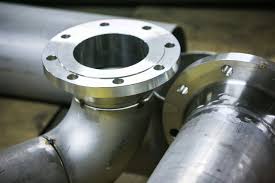
When corrosion resistance is as important as strength, stainless steel is the go-to choice. Grades like 304 and 316 are common, but for truly high-pressure applications, duplex and super duplex stainless steels are superior.
Duplex stainless steels have a microstructure that combines ferritic and austenitic phases, resulting in higher strength and better stress corrosion cracking resistance than standard austenitic grades. This makes them perfect for subsea umbilicals, heat exchangers, and chemical processing equipment.
Titanium Alloys
For applications where weight is a critical factor—such as in aerospace or high-performance automotive parts—titanium alloys are unmatched. They offer a phenomenal strength-to-weight ratio and exceptional corrosion resistance.
Titanium allows for lighter components that do not sacrifice the ability to hold immense pressure. However, the high cost of raw titanium and the difficulty in machining it often limit its use to specialized applications where these properties justify the expense.
Composite Materials
Modern engineering is increasingly turning to composites, particularly carbon fiber reinforced polymers (CFRP). These materials consist of strong fibers embedded in a polymer matrix.
Composites can be wound or layered to withstand pressure in specific directions, allowing for highly optimized designs. They are extensively used in high-pressure hydrogen gas storage tanks for fuel cell vehicles. While they offer significant weight savings compared to metals, they require careful design to manage impact damage and long-term durability.
Guidelines for Selecting the Right Material
Navigating the trade-offs between different materials requires a systematic approach.
- Define the Operating Envelope: clearly map out the maximum allowable pressure (MAWP), minimum and maximum design temperatures, and the chemical composition of fluids involved.
- Consult Standards and Codes: Industries like oil and gas (API standards) or pressure vessel manufacturing (ASME Boiler and Pressure Vessel Code) have strict guidelines. Adhering to these is not just good practice; it is often a legal requirement.
- Evaluate Manufacturability: A material might look perfect on paper but could be impossible to weld or machine into the required shape. Consider fabrication methods early in the design phase.
- Prioritize Safety Factors: Always design with a safety margin. The higher the risk to human life or the environment, the higher the safety factor should be.
- Cost-Benefit Analysis: While exotic alloys offer superior performance, they may over-engineer the solution. Balance the lifecycle cost—including maintenance and replacement—against the initial material cost.
Proper filtration is also a key aspect of system design. Implementing high-quality pressure filters protects downstream components from particulate damage, which preserves the integrity of the pressure boundary materials.
Future Trends in High-Pressure Materials
The demand for higher efficiency and performance drives material science forward.
High-Entropy Alloys (HEAs): Unlike traditional alloys based on one primary metal, HEAs mix five or more elements in near-equal proportions. Early research suggests they possess exceptional strength and fracture toughness, potentially outperforming traditional steel and titanium alloys in extreme environments.
Additive Manufacturing (3D Printing): Metal 3D printing allows for complex internal geometries that were previously impossible to manufacture. This enables the creation of high-pressure components with optimized weight and flow paths, reducing material waste and improving performance.
Smart Materials: Researchers are developing materials with embedded sensors that can monitor their own structural health. Imagine a high-pressure pipeline that can detect micro-cracks and signal operators before a leak occurs. This “self-reporting” capability could revolutionize maintenance strategies.
Conclusion
Choosing the right material for high-pressure applications is a balancing act that requires deep technical knowledge and foresight. It is about more than just finding the strongest metal; it is about finding the material that will survive the chemistry, the temperature, the fatigue cycles, and the budget constraints of the project.

