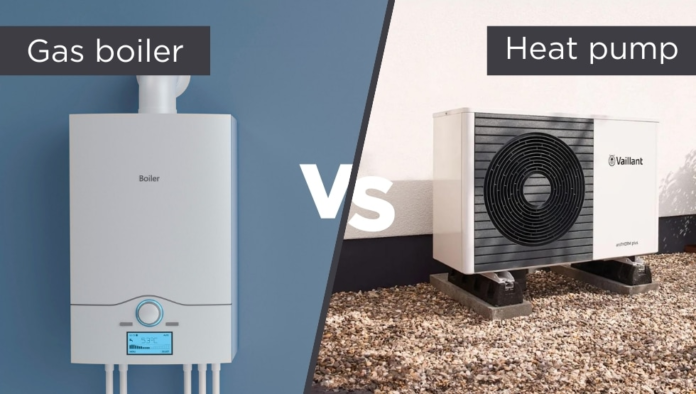
Air source heat pumps are becoming more popular in the UK. Many people want cheaper and greener energy. Gas boilers have been the standard for decades. But times are changing as the UK pushes for lower carbon use.
Homeowners now ask if switching makes sense. Understanding the efficiency difference is important before making a decision. We will also explain who can apply for heat pump grants and what the criteria are.
What Are Air Source Heat Pumps?
Air source heat pumps take heat from the outside air. They work even in cold weather. The pump compresses the air and produces heat for the home. They can also provide hot water.
Many units work with underfloor heating or large radiators. They use electricity but give out more heat than power taken in. This makes them more efficient than many gas systems.
How Efficient Are They?
Heat pumps do not burn fuel to make heat. Instead, they transfer energy. For every one unit of electricity, a pump can give three units of heat. This is called the coefficient of performance. A gas boiler cannot do this.
Most gas boilers waste some energy in the process. A modern condensing boiler can be about 90% efficient. This means some energy is still lost. Heat pumps can reach over 300% efficiency in the right conditions.
How Do They Compare to Gas?
Gas is still cheaper per unit than electricity. But gas is not renewable and creates more carbon. The efficiency of heat pumps can balance the higher electric cost. If the home is well insulated, a heat pump will save more.
In poorly insulated homes, the cost benefit may drop. Gas boilers work well for quick heating, but heat pumps work best for steady warmth. For long-term savings and low carbon, pumps win in many cases.
Running Costs and Savings
Running costs depend on the home’s energy use and tariff. If you use a standard electricity tariff, costs can feel high. Switching to an off-peak or flexible tariff helps reduce this. Grants can also reduce installation costs.
Gas prices are rising and may continue to rise. Electricity may also rise, but renewable growth may help balance this. Over ten years, heat pumps can save money, especially if energy prices favour green power.
Installation and Home Suitability
Heat pumps work best in homes with good insulation. They are ideal for houses with cavity wall insulation, loft insulation, and double glazing. If the home loses too much heat, pumps will need more power.
This lowers savings and efficiency. Pumps also work better with underfloor heating or larger radiators. Smaller radiators may not heat rooms well. Outdoor space is needed to place the unit. Most homes with a garden or yard can fit one.
Carbon Savings
One of the main goals is carbon reduction. Heat pumps cut emissions compared to gas boilers. They use electricity, which can come from renewable sources. The UK grid is adding more green power every year.
Gas still produces direct emissions from burning. If the UK is to meet net zero, heat pumps are key. For homeowners, this means helping the planet and future generations while lowering bills.
Eligibility for Grants and Support
The UK government offers support under the Boiler Upgrade Scheme. Homeowners in England and Wales can get a grant for heat pump installation. The grant is up to £7,500 as of 2023. To apply, you must own your home. It can be a detached, semi-detached, or a bungalow. Flats may also qualify in some cases. Your home must have a valid Energy Performance Certificate.
The certificate must not suggest loft or cavity wall insulation upgrades. If it does, you need to fix that first. Landlords can also apply if they meet the rules. New builds do not qualify, unless you built the home yourself. Social housing does not qualify. Always check with a certified installer before applying.
Who May Not Qualify
Some homes are not suitable for heat pumps. If the property lacks proper insulation, you may be rejected. If you live in social housing, you cannot apply for the grant. If the property is new and developer-built, you cannot apply either.
Homes without outdoor space may also struggle to install. In listed buildings, planning rules may block installation. Always check with your local council for extra permissions. Eligibility is strict but worth checking.
The Process of Applying
The installer applies for the grant on your behalf. You do not apply directly. First, you find a certified installer. They will check your home and advise you. If the property is suitable, they start the process.
The grant is then discounted from the final cost. You pay the rest. This makes switching easier and more affordable. The process is simple, but paperwork is important. Keep your Energy Performance Certificate ready.
Final Thoughts
Air source heat pumps are far more efficient than gas boilers. They can cut energy use and reduce carbon emissions. Gas is cheaper per unit, but less efficient and less green. With grants, heat pumps are more affordable than ever, especially when comparing them with the best heat pumps UK homeowners are now choosing for long-term savings.
The main factor is eligibility, as not all homes can apply. Insulation is the key to both savings and acceptance. If your home qualifies, a heat pump is worth serious thought. It is an investment for the future of your home and the planet.

